WRITING and research
My writing and research sits alongside my studio practice, exploring relationships between artistic practice, evidence, public institutions and policymaking. It includes work on MANIFEST, longer-running research into art and policy, field research with artists and public bodies, and technical investigations that feed back into the studio.
MANIFEST: ARTISTS IN POLICY
Since 2022 I have founded and led MANIFEST, an Arts and Humanities Research Council-supported programme that brings artists into government policy teams and explores what artistic practice can contribute to policymaking.
Read Launching MANIFEST (2023) · MANIFEST: What we have learnt so far from artists working in policy (2023) · MANIFEST: Artists, policy and the process of making change (2024) · Announcing the second year of MANIFEST (2024).

Dryden Goodwin, Christopher Samuel and Semiconductor joined me in the first year of the MANIFEST programme to bring artists into government.
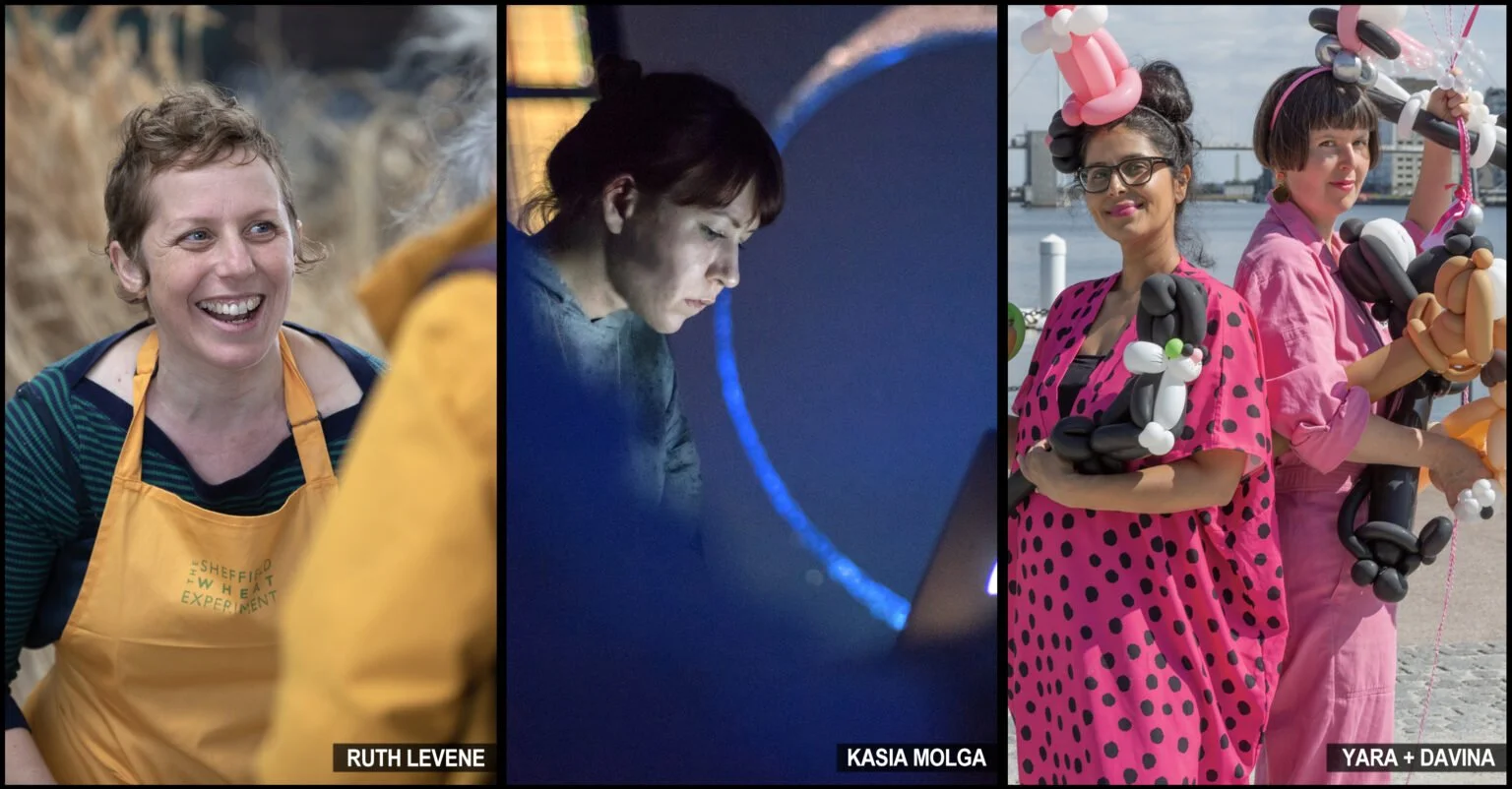
Ruth Levene, Kasia Molga and YARA+DAVINA joined me in the second year of MANIFEST.
ART, POLICY & EVIDENCE
My broader research asks how art might affect the ways public problems are framed, evidenced and acted upon. This includes the art-policy matrix, which maps different effects of artistic practice against stages in the policymaking process.
Read my research on art and policy
Selected press and publications

ARCHIVE
Below is an archive of earlier research, field notes and technical experiments, including a Clore Fellowship study visit to the United States, research into art, science and policy, and practical investigations into mapping, materials and processes such as engraving clay.

An interview with the artist Julia Weist who has explored the relationship between art and bureaucracy whilst working as an artist in residence in the New York City Government

An interview with Kameron Neal, a Brooklyn based artist who is working with the New York City government to reclaim and repurpose NYPD’s pervasive and invasive surveillance footage from the 1950s-90s.

What can people involved in evidence and policy learn from a neon soaked arts-led entertainment space in the New Mexico desert? I visited Meow Wolf to find out.

Interview with Janet Zweig, a New York based artist who is part of the NYC Public Artist in Residence programme and worked with the then Mayor’s Office for Sustainability, where a key contact was Kate Gouin, who also kindly made time for a discussion.


Some notes from an impromptu visit to Kahlil Robert Irving’s show at the New York Museum of Modern Art (MoMA).

Interview with Melanie Crean, a New York based artist who is part of the NYC Public Artist in Residence programme, working at the intersection of architecture, criminal justice and shape.

Reviewing the impact and value of the September 2021 Glass House exhibition as an examination of art and policy and a case study of practice-based research

Artists and funders often ask how artwork can have a policy impact. This article sets out thoughts with reference to three scientific concepts: lability, transference and activation energy.

This article, the fourth in a series on the role of art in policymaking, situates real life artworks in a theoretical art-policy matrix. It starts by describing two case studies - Blue Planet II and The Museum of Extraordinary Objects - in more detail, before outlining nineteen other artworks, all which, in some way, link to policy.

This blog looks at how policies are made and what role art may play in that process, if any. It proposes an art-policy matrix, matching some of the effects of art to stages in the policy process.

Why would it even matter if art or culture had a role in policy? As a policymaker of 15 years experience (as well as being a practising visual artist), I acknowledge that this is something I take for granted. This blog attempts to dig a little deeper, and consider: what ‘policy’ actually is, the relationship between art/culture and policy; whether policy actually matters.

This blog explains the deep lying socioeconomic and technological trends which are changing how policy is made, and possibly opens up a need for art and culture to be used in policymaking.

Experiments to impose digital information (imagery, writing, data) onto clay. This process has been central for my art installation in the Central St Martins degree show. The ambition has been to developed a modern-day version of the ancient Babylonian cuneiforms, using digital data on geology and geography.

This is my second blog regarding my residency at Joya: Arte + Ecologia. My previous blog explored 'land & environmental art'. I am particularly interested in the relationship between the map and the terrain, and this blog focuses on mapping Joya - starting with Joya’s longitude & latitude: 37.763696, 2.070142.
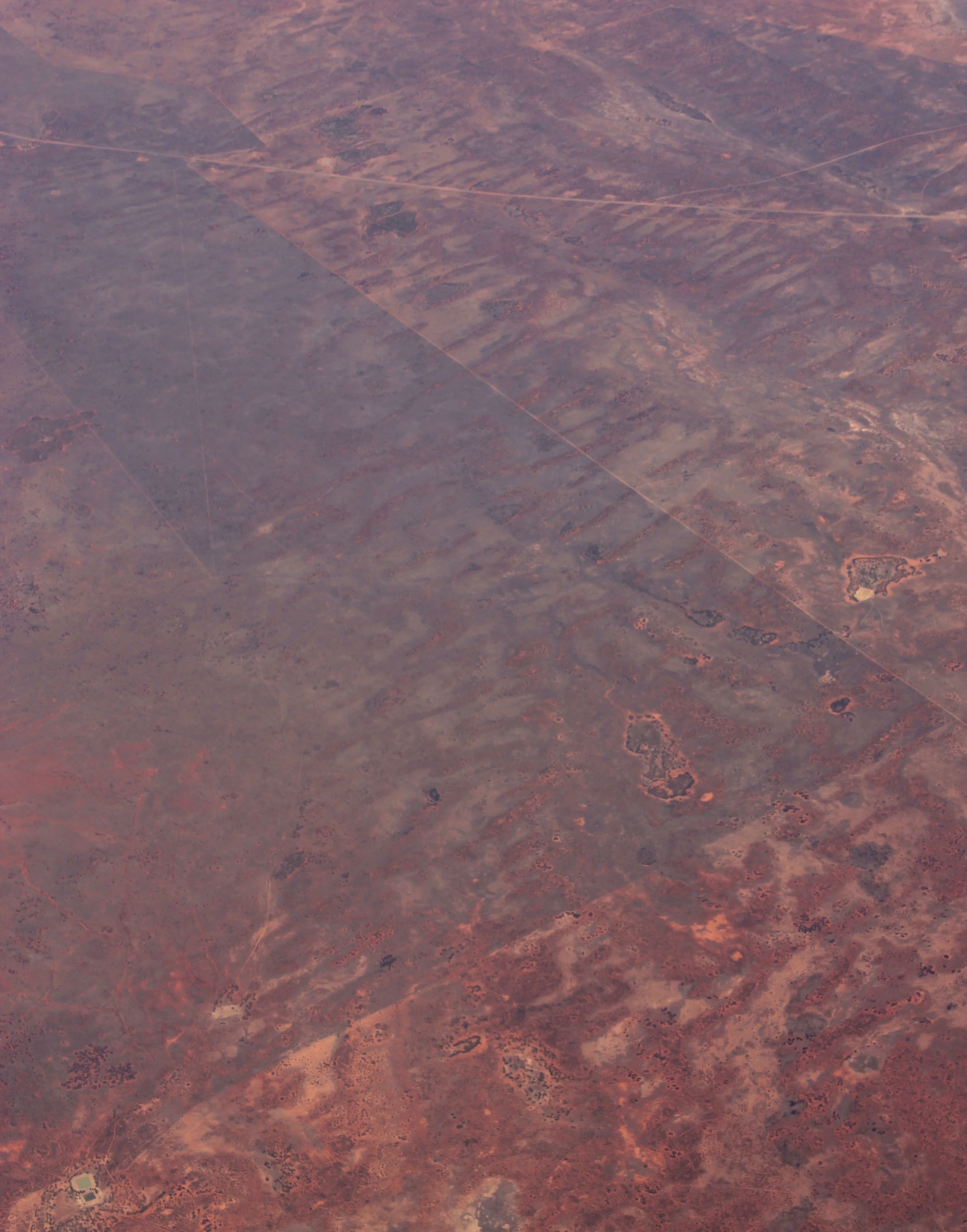
I was announced as University of Art London's Environment International Artist Residency Programme resident artist at Joya: arte + ecología in 2017. This blog includes some of my preparatory work for the Residency, taking place in the Autumn of that year.

A summary of some research undertaken on alternative printing/photography processes using the sun's energy - ahead of the 2017 Lumen Residency.

Which other planets and moons have we been to - and what can it tell us about our planet?

Some ideas connecting climate change and memory. This seems to pivot around human experience and interaction with climate change, so have also included some maps on adaptive capacity/vulnerability to climate change. These ideas were developed ahead of the Imperial Science Festival event, although ultimately not used then. Storing them for a later time...

This blog highlights some light research on mapping projections conducted ahead of the Imperial Science Festival. Includes maps and links to the main projections including Peters, Mercator, Robinson, Winkel Triple.
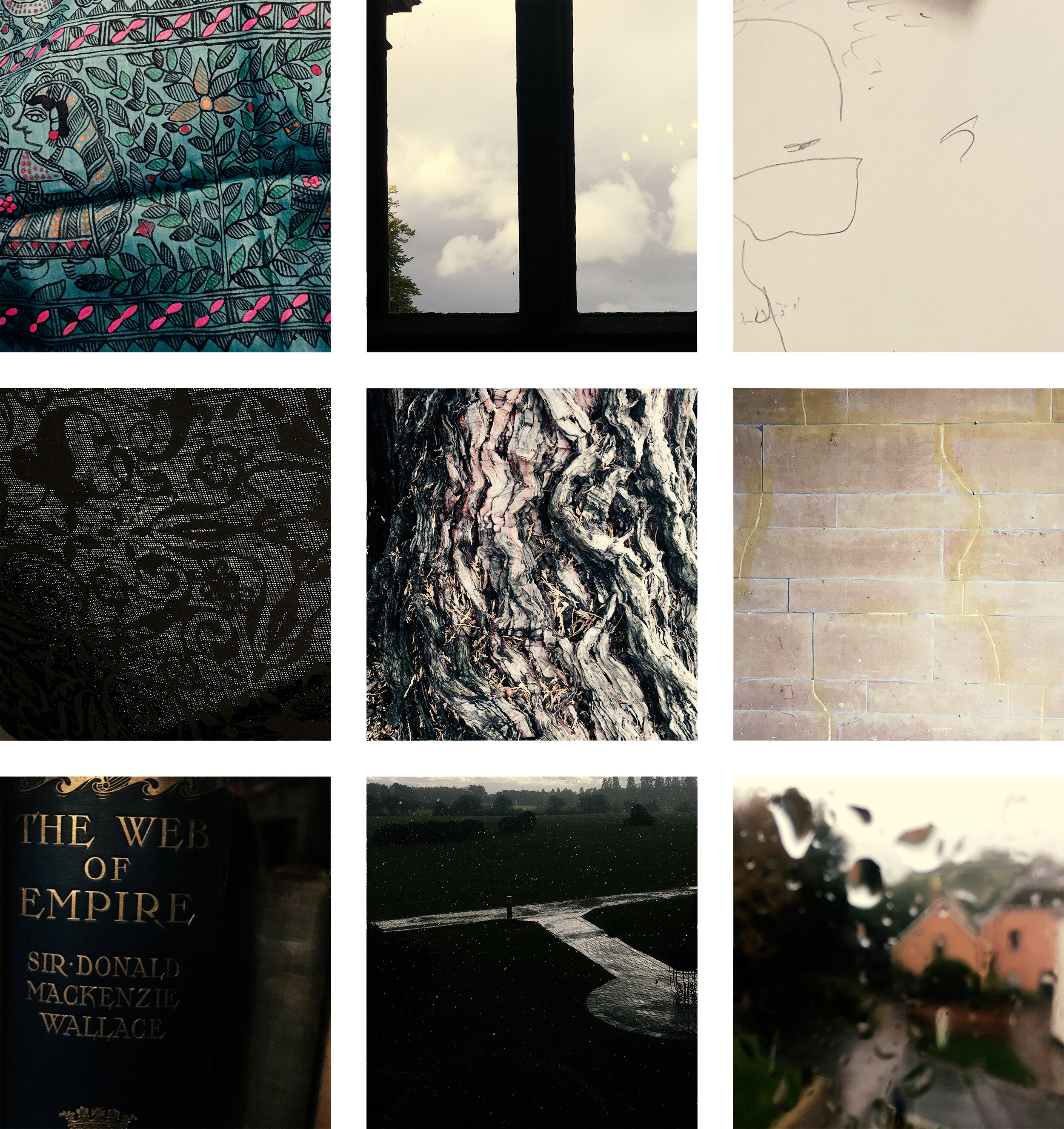
Visual week notes for period up to 5th October, providing some visual highlights from the Clore Leadership residential, a Leadership scheme I am fortunate enough to be part of for 2019-20.
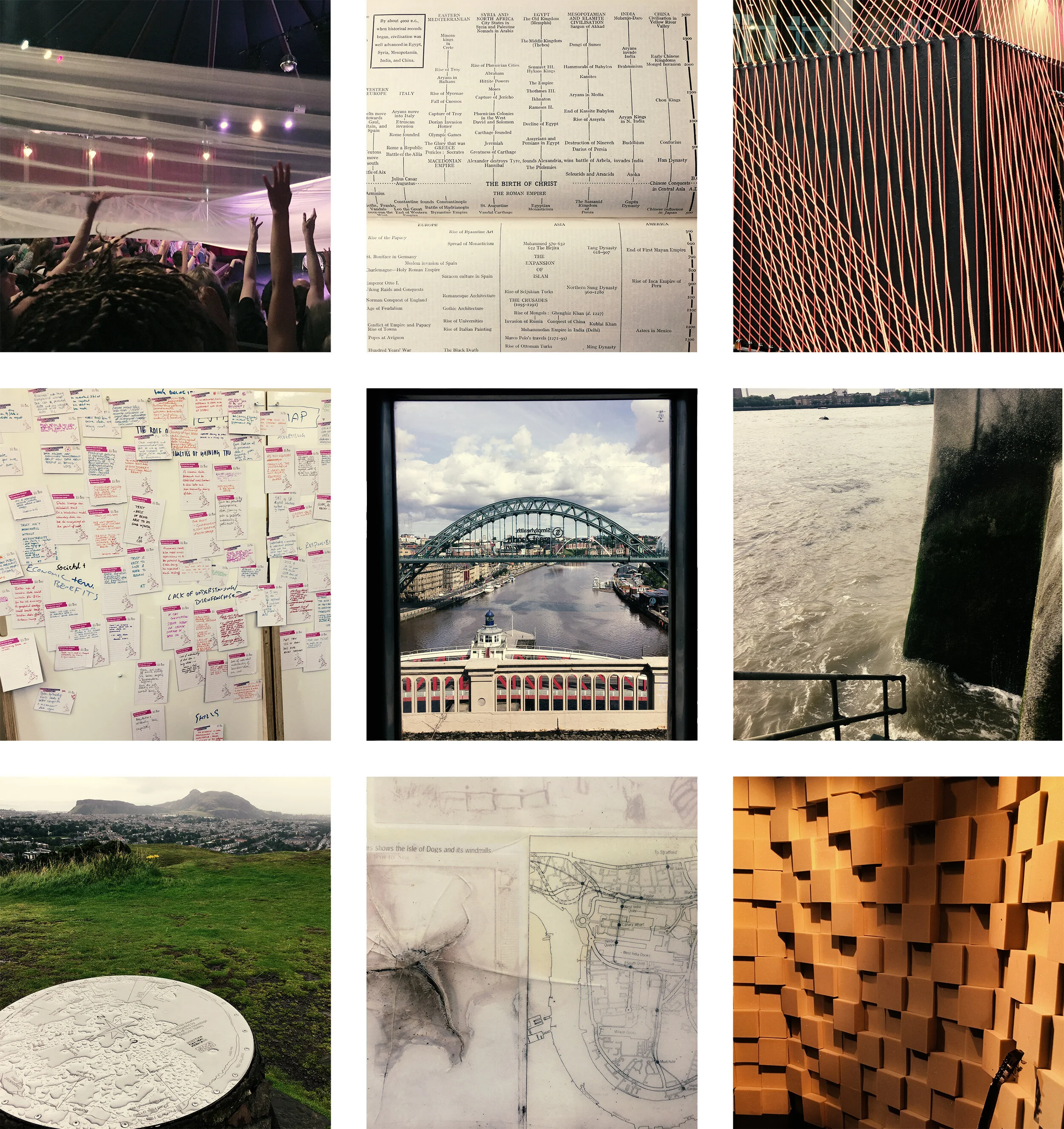
Visual week notes for period up to 17th August, covering Docklands, the Edinburgh Fringe, and data…
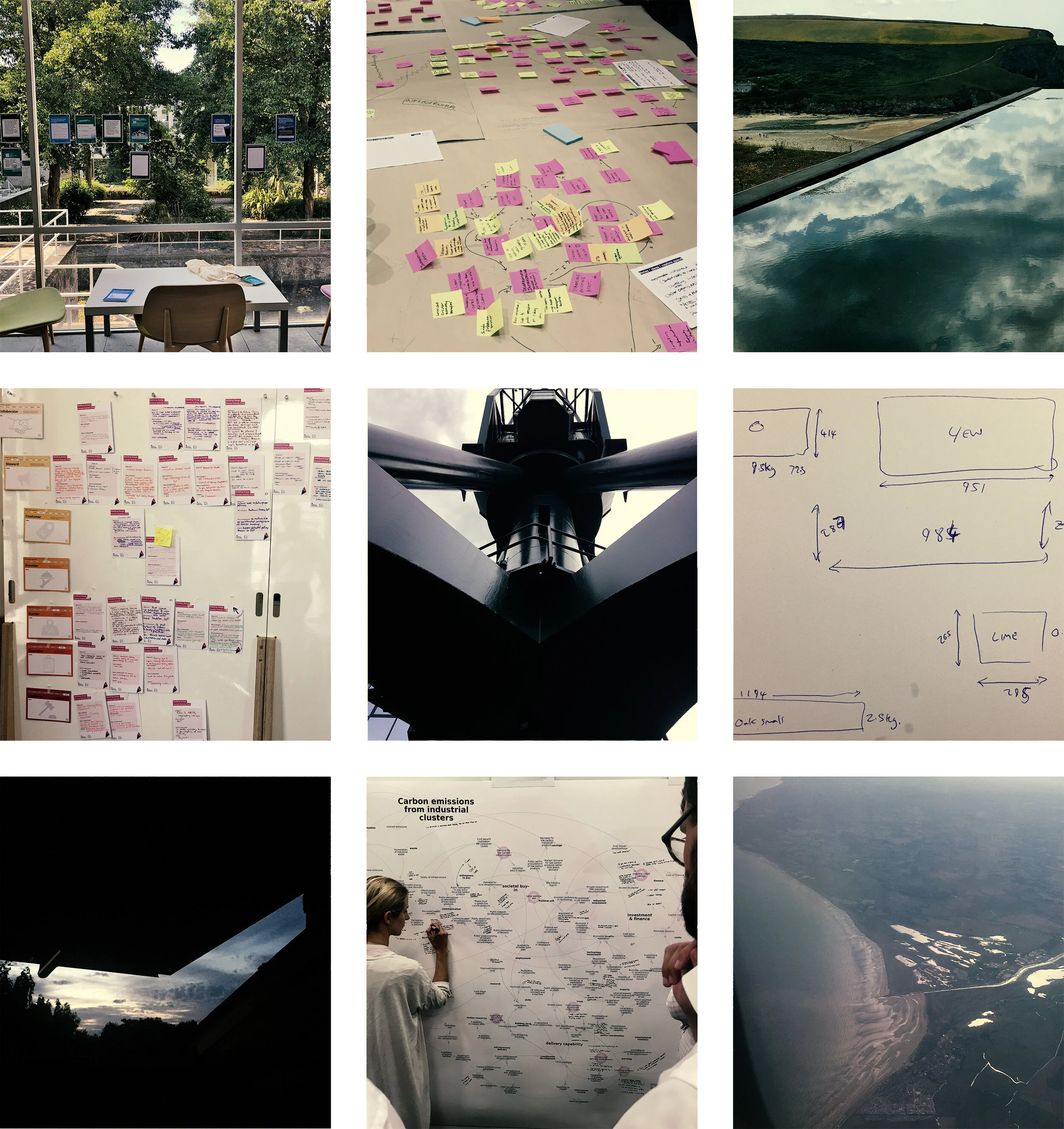
Visual week notes for period up to 27th July, covering Cornwall, spectacular perspectives and systems mapping.
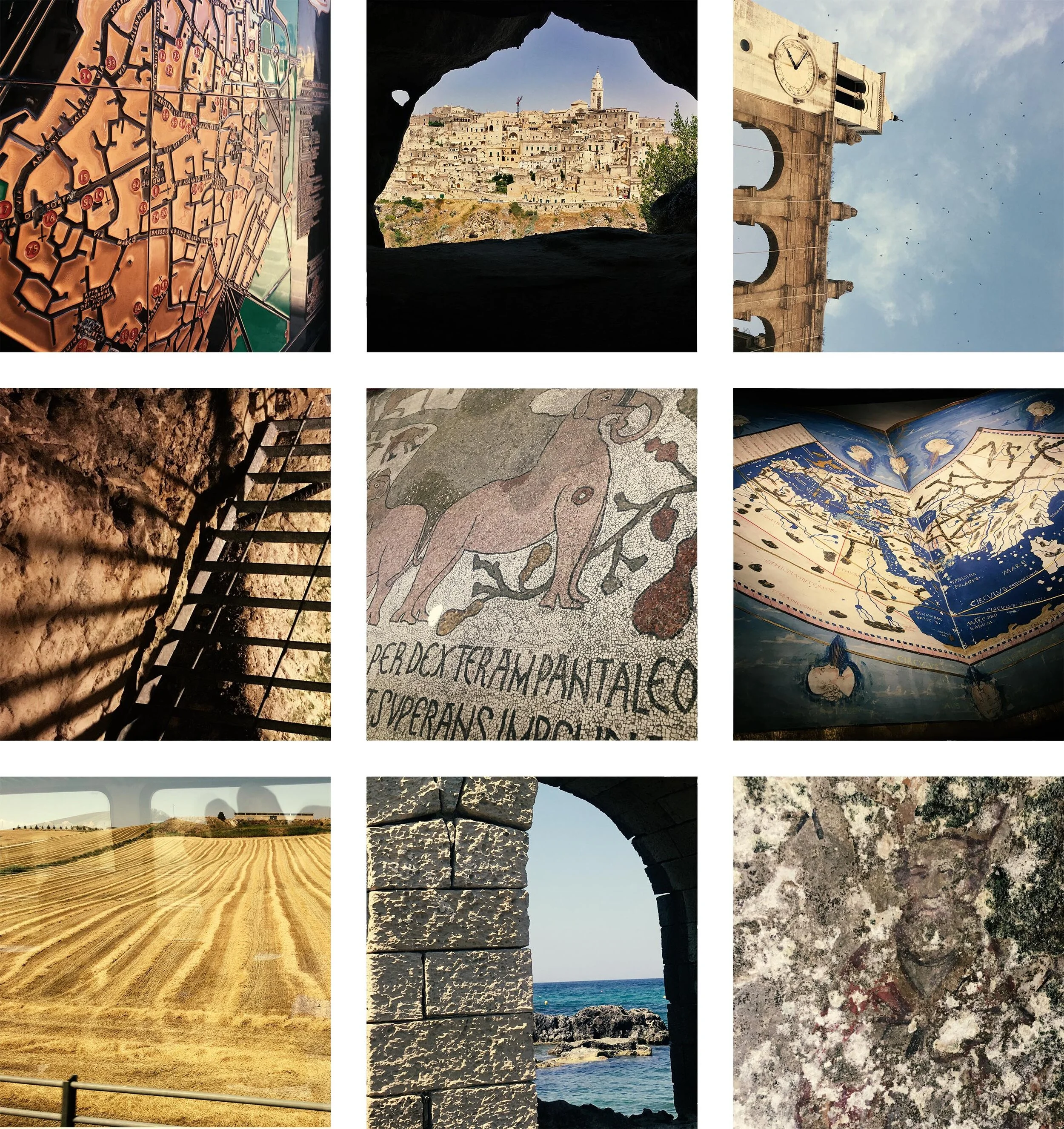
Visual week notes for period up to 14th July, covering the textures, materials and sights of Bari, Lecce, Matera, Otranto.

Visual weeknotes for 11-17th May, covering a lecture at LCC, an interview with the Clore Leadership Programme, preparations for the E17 Art Trail, the Local Industrial Strategy in the South West and work in Cornwall.

Visual weeknotes for 14-21 April, mainly covering installation and opening of The Joke’s On Us! exhibition, plus a few other bits such as the Extinction Rebellion protest and using the Kumu mapping tool.

Visual weeknotes for a mixed week, but the absolute highlight was a visit to Kew Gardens.

Visual weeknotes for 23-29 March covering the Walthamstow Marshes, Markfield Beam Engine, systems mapping, drawings of houses, the Joke’s On Us! exhibition at The Mill, Africa Express, and generally trying to return back to some kind of normality.

Visual weeknotes for 9th-15th March covering the superb Mithras Temple in London, preparing for a highly participatory and experiential workshop on street design, dealing with anxiety through jokes, and preparing a participatory wall mural at a climbing centre.